

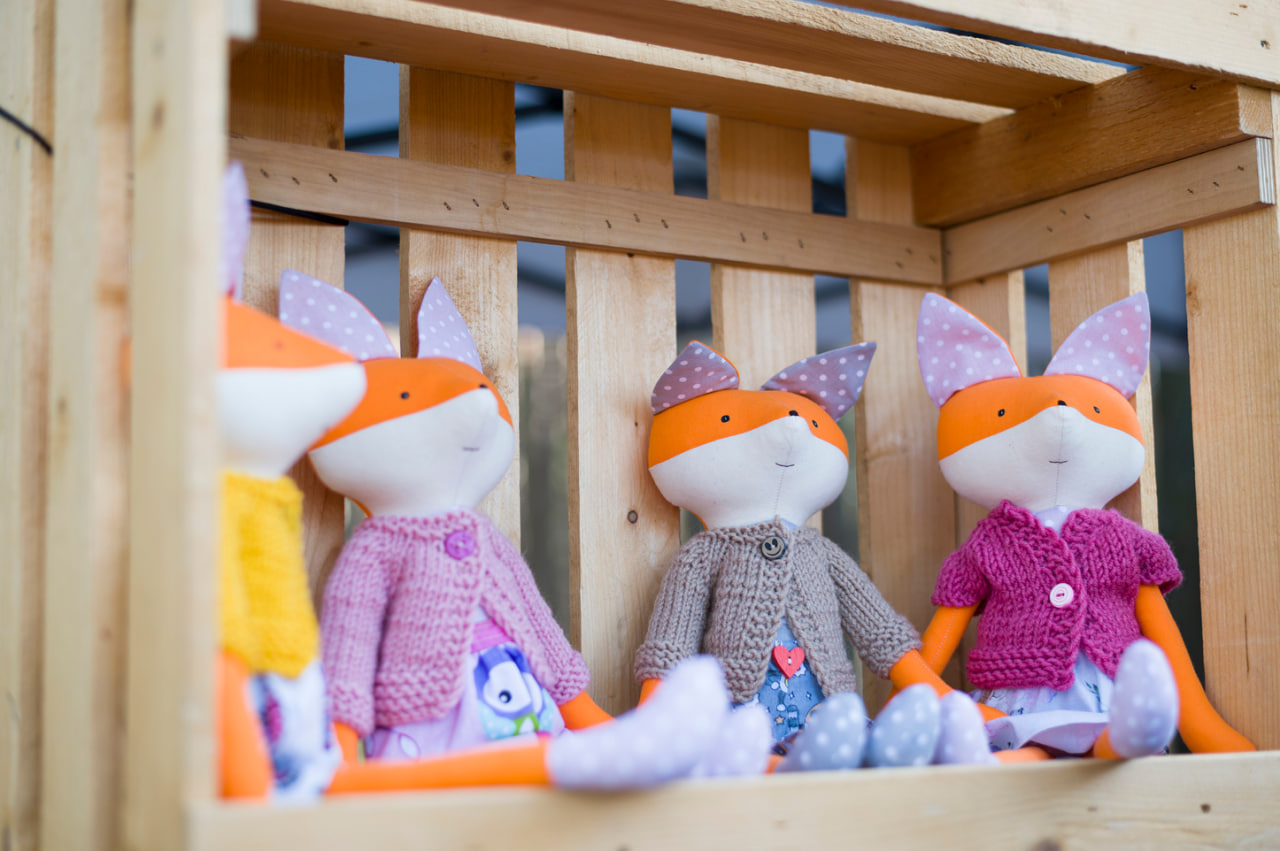
Felt toys are a wonderful way to combine creativity, craftsmanship, and play. Soft, colorful, and safe for children, these handmade toys can become treasured keepsakes while providing hours of imaginative play. For beginners, making felt toys may seem challenging, but with the right materials, tools, and techniques, anyone can start crafting beautiful and functional pieces.
This guide will introduce you to the essentials of making felt toys, from selecting materials to stitching your first creations.
Choosing the Right Materials
Selecting high-quality materials is the first step to successful felt toy making.
Felt Fabric: Use soft, non-toxic, and durable felt suitable for children’s toys. Wool or wool-blend felts are ideal for longevity and color vibrancy.
Thread: Choose strong, color-matched embroidery thread for stitching, ensuring durability.
Stuffing: Use polyester fiberfill or hypoallergenic stuffing to maintain the toy’s shape and softness.
Embellishments: Small details like buttons, beads, or felt shapes can enhance the design, but ensure all items are securely attached for safety.
Starting with high-quality materials ensures your toys are safe, long-lasting, and visually appealing.
Essential Tools for Beginners
Having the right tools makes the process smoother and more precise:
Fabric Scissors: Sharp scissors for cutting felt accurately.
Embroidery Needles: A range of needle sizes for stitching and adding details.
Pins and Clips: To hold pieces together while sewing.
Templates or Patterns: Guides for shapes and sizes to maintain consistency.
These basic tools help beginners achieve neat, professional-looking results.
Planning Your Toy Design
Before cutting or stitching, it’s important to plan your design:
Sketch Ideas: Draw the toy shape and details on paper to visualize proportions.
Break Down Shapes: Identify each component, such as body, limbs, and decorative elements.
Decide Colors: Choose a cohesive color palette that suits your toy and appeals to children.
Size Consideration: Ensure the toy is appropriately sized for its intended use, whether for a child’s hand or display.
Careful planning reduces mistakes and makes the assembly process smoother.
Cutting and Preparing Felt Pieces
Cutting accurately ensures that pieces fit together perfectly:
Trace Templates: Use patterns to outline shapes on felt fabric.
Cut Cleanly: Sharp scissors or a rotary cutter prevents jagged edges.
Label Pieces: For complex designs, label each piece to keep track during assembly.
Pre-Stuffing Preparation: Plan where seams will go and leave openings for stuffing.
Preparation at this stage saves time and improves the final appearance of your toy.
Basic Stitching Techniques
Stitching is fundamental to assembling felt toys. Beginners should practice these basic techniques:
Running Stitch: Simple and effective for joining two felt pieces.
Blanket Stitch: Ideal for edges, creating both strength and decorative appeal.
Backstitch: Strong for seams that need extra durability.
Appliqué Stitch: Useful for attaching small decorative pieces like eyes or shapes.
Consistent stitching not only secures the toy but also enhances its overall aesthetic.
Stuffing and Shaping
Proper stuffing ensures the toy maintains its intended shape:
Even Filling: Add small amounts of stuffing gradually, distributing it evenly to avoid lumps.
Firmness: Ensure the toy is soft enough for play but firm enough to hold its shape.
Closing Seams: Once stuffed, carefully stitch openings closed with tight, even stitches.
Shaping Limbs: Use fingers or small tools to adjust arms, legs, or other parts for correct proportions.
Well-stuffed toys look polished and feel satisfying to hold.