

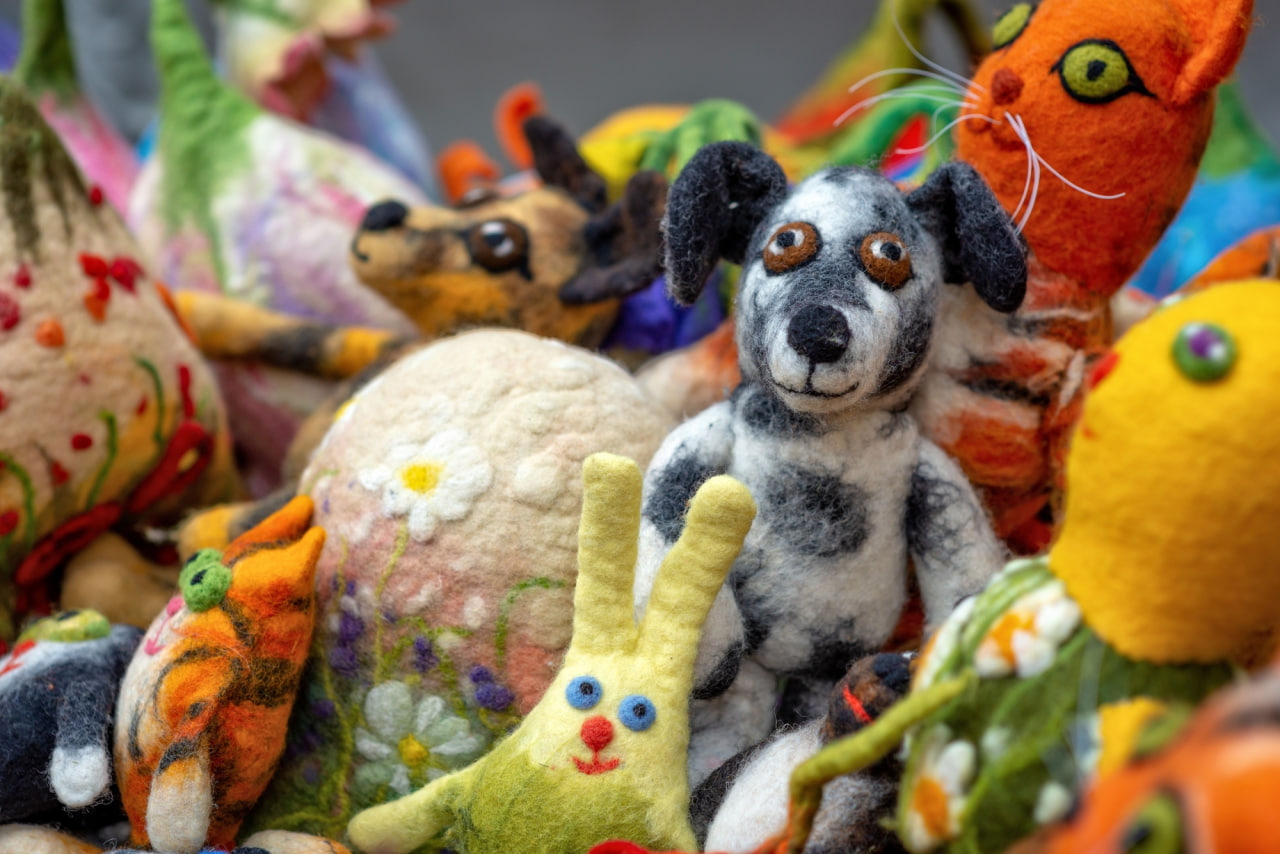
Felt toy making is a rewarding and creative craft, but beginners often encounter challenges that can affect the quality, durability, and safety of their creations. Understanding common mistakes and learning how to prevent them is essential for producing toys that are both beautiful and safe for children. By addressing these pitfalls early, you can improve your skills, create professional-looking toys, and enjoy the process more fully.
This guide explores the most common errors in felt toy making and provides practical advice for avoiding them.
Using Low-Quality Materials
One of the biggest mistakes beginners make is choosing subpar materials:
Cheap Felt: Thin, low-quality felt can fray easily, tear, or lose shape over time.
Unsafe Embellishments: Using buttons, beads, or other small pieces that are not securely attached can pose choking hazards.
Weak Thread: Using weak or mismatched thread can result in seams that break during play.
How to Avoid It
Invest in durable, child-safe felt suitable for toys.
Choose high-quality embroidery or sewing thread that matches the felt color.
Ensure all embellishments are securely stitched and appropriate for the age of the child.
High-quality materials increase the longevity, safety, and appearance of your felt toys.
Poor Planning and Design
Skipping proper planning often leads to toys that are unbalanced, misshapen, or difficult to assemble.
How to Avoid It
Sketch the toy before cutting to visualize the shape and dimensions.
Break designs into separate parts (body, limbs, accessories) to manage assembly.
Consider the size and complexity appropriate for your skill level and the intended user.
A well-thought-out design reduces mistakes and ensures smoother construction.
Inaccurate Cutting
Uneven or jagged pieces can make assembly difficult and affect the final appearance.
How to Avoid It
Use sharp fabric scissors or a rotary cutter for precise cuts.
Trace templates on felt before cutting to maintain consistent shapes.
Label pieces when working on complex designs to prevent confusion.
Accurate cutting ensures all pieces fit together properly and improves the overall look of the toy.
Inconsistent Stitching
Uneven, loose, or overly tight stitches can compromise both durability and aesthetics.
How to Avoid It
Practice basic stitches like running stitch, blanket stitch, and backstitch before starting a project.
Maintain consistent tension to avoid puckering or gaps.
Stitch slowly and carefully, especially around corners and curves.
Consistent stitching ensures the toy holds together during play and looks professionally made.
Overstuffing or Understuffing
Stuffing mistakes can distort the shape of the toy or make it uncomfortable to hold.
How to Avoid It
Add stuffing gradually, distributing it evenly throughout the toy.
Ensure the toy is soft enough for play but firm enough to maintain its shape.
Pay special attention to smaller areas like limbs or ears to avoid lumps or uneven contours.
Proper stuffing gives toys a polished, tactile, and child-friendly finish.
Neglecting Safety Considerations
Safety is critical when making toys for children, and beginners sometimes overlook important details.
How to Avoid It
Avoid small parts for toys intended for children under three years old.
Double-check that all pieces are securely attached.
Use non-toxic felt, thread, and stuffing materials.
Prioritizing safety ensures your felt toys are appropriate for their intended age group and durable enough for active play.
Rushing the Process
Many beginners make the mistake of hurrying, which can result in sloppy stitches, misaligned parts, or weak seams.
How to Avoid It
Allow ample time for each step, from cutting to stitching to finishing.
Take breaks if needed to maintain focus and precision.
Practice patience—felt toy making is as much about careful craftsmanship as creativity.
A deliberate approach produces higher-quality, longer-lasting toys.
Ignoring Finishing Touches
Incomplete or untidy finishing can diminish the toy’s appearance and functionality.
How to Avoid It
Trim excess threads neatly and tuck them securely into seams.
Ensure edges are smooth and properly stitched.
Add any decorative details, like facial features or accessories, with precision and care.
Well-executed finishing touches give felt toys a polished, professional, and charming look.