
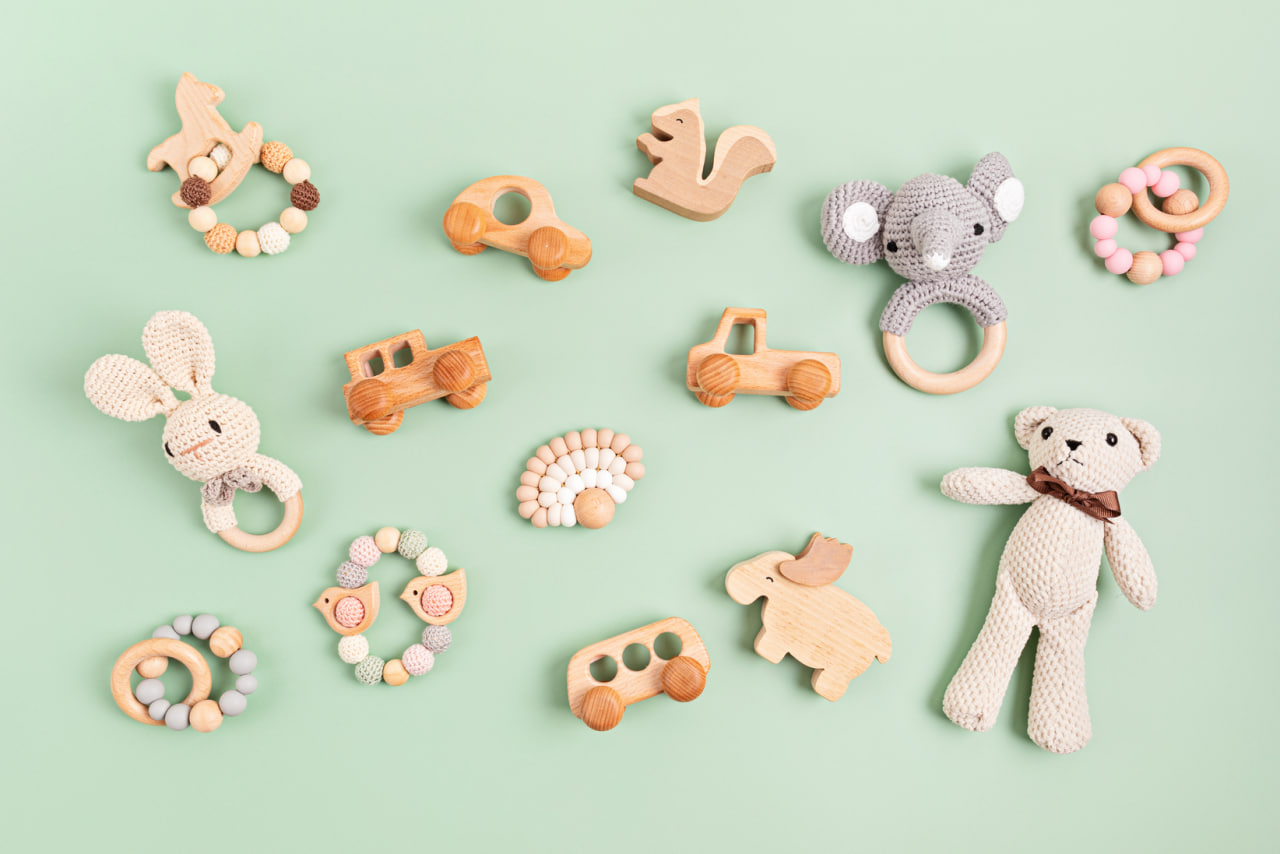
Felt toys are more than just soft, colorful playthings—they are tools for imagination, learning, and hands-on exploration. Their tactile nature and versatile designs make them ideal for encouraging creative play in children of all ages. From storytelling to interactive games, felt toys can transform ordinary playtime into engaging, educational, and imaginative experiences.
This guide explores creative ways to use felt toys to inspire children and make playtime both fun and meaningful.
Storytelling and Role-Playing
Felt toys are perfect companions for storytelling and role-playing:
Character Adventures: Encourage children to invent stories around their felt animals, dolls, or figures. Each toy can become a main character in imaginative tales.
Interactive Puppetry: Felt toys can double as puppets for interactive storytelling, letting kids act out narratives while practicing language skills.
Storybook Companion: Pair felt toys with books to bring characters to life, helping children engage more deeply with the story.
Role-playing with felt toys enhances creativity, communication, and social skills.
Educational Play
Felt toys can be adapted for learning activities, combining fun with skill development:
Alphabet and Numbers: Use felt letters or numbers to teach recognition, spelling, and counting.
Color and Shape Games: Felt toys in various colors and shapes help children identify, sort, and categorize items.
Sensory Learning: Different textures, layers, and shapes in felt toys stimulate tactile exploration and fine motor skills.
Incorporating learning into play helps children acquire knowledge naturally while keeping their attention engaged.
Creative Building and Imagination
Felt toys encourage children to experiment and create new worlds:
Miniature Scenes: Set up a felt toy village, zoo, or farm where children can design their own environment.
Mix and Match: Encourage combining different characters or elements to create new animals, outfits, or imaginative hybrids.
DIY Accessories: Children can design additional felt props, like hats, clothes, or furniture, to expand the play scenario.
By allowing open-ended play, felt toys foster innovation, problem-solving, and storytelling skills.
Cooperative and Social Play
Felt toys provide opportunities for shared play and teamwork:
Group Storytelling: Children can take turns adding to a story using their felt toys, building collaboration and listening skills.
Role-Exchange Games: Kids can swap characters or roles to explore different perspectives and social interactions.
Themed Playdates: Felt toys can form the centerpiece for themed activities, encouraging cooperation and group creativity.
Social play with felt toys enhances communication, empathy, and interpersonal development.
Themed and Seasonal Play
Felt toys can be integrated into seasonal or themed activities:
Holiday Decorations: Felt toys can double as ornaments or festive characters during holidays.
Seasonal Storylines: Create winter, spring, or summer-themed adventures using felt animals or props.
Special Events: Felt toys can be part of birthday parties, classroom activities, or creative workshops, making celebrations more interactive.
Themed play keeps children engaged and encourages imagination aligned with real-world events and traditions.
DIY and Customization Opportunities
Felt toys are highly adaptable for creative hands-on projects:
Design Your Own Toy: Children can cut, decorate, and assemble simple felt toys with guidance, fostering craftsmanship and ownership.
Accessory Crafting: Add felt hats, scarves, or tiny props to existing toys to personalize and expand play possibilities.
Interactive Learning Kits: Combine felt pieces into puzzles, matching games, or storytelling kits for structured yet creative play.